Request for an EHC Needs Assessment
This guide has been created to help you complete the Education, Health and Care Plan needs assessment request for Bromley Council.It explains each section of the form in simple, step-by-step language, with examples and practical tips to support you through the...
Cookie Policy
This page provides comprehensive information about how we use cookies on our website to enhance your browsing experience, improve website performance, and deliver personalized content. Cookies are small text files that are stored on your device when you visit our...

Competitions with the Glebe
We have worked with the Glebe School students since 2017 to co-produce resources for us, via fun and friendly competitions as part of their ICT lessons.The initial project in 2017 was to design a poster that would appeal to children and young people. We were extremely...

Support at college
Useful things to know, to ask and to doThings to ask yourselfAsking someone for helpLooking after yourselfIf not, think about why. What's happening that's making it difficult? Talk to your tutor, a learning mentor or a trusted adult. Together you will be able to find...

Videos
Information, advice and support provided in video format to help you understand key parts of the world of SEND.Introduction to the Information Advice and Support ServiceWhat is an Education, Health and Care Plan and who is it for?The Education, Health and Care Plan...

Downloads
Our key information and advice – provided in downloadable guides and documents.LeafletsPolicies and statementsAn introduction to Bromley IASS (4 pages)Choosing a school for a child who has special educational needs (SEN) (8 pages)How to support my child in primary...

Useful links
We have brought together a list of useful links of advice and organisations both in Bromley and nationally.The Bromley SEND Local Offer provides a central hub of information and support for children and young people with special educational needs or disabilities (0 to...

The law
Understanding the law will help you in your journey through special educational needs and disabilities system.This page brings together the key elements of the law and Government guidance:LegislationThis is primary law that has received Royal Assent.Read more...

How to complete a SEND35 appeal form
This guide has been created to help you complete the SEND35 appeal form.You should use the SEND35 form if the Council has: refused to issue an Education, Health and Care (EHC) Plan after an assessment refused to reassess your child’s needs issued an EHCP you disagree...

The use of AI
IASSN Statement on the Use of the Artificial IntelligenceThe IASS Network have produced this short statement for use by services in their work with parent/carers, children and young people which advises on the risks associated with using artificial intelligence tools...

The role of our IVS
- or an IVS for shortAn Independent Volunteer Supporter (IVS) is someone who is able to support children and young people and/or their parents or carers, with issues around Special Educational Needs and Disability (SEND).About our IVSOur IVS will: be someone that you...
Our confidentiality
When you talk to us, what you say is confidential.Confidential means that we do not tell other people. Everything that we talk about in our meetings or over the phone, or in your emails, will be kept private and confidential. We will not share your information with...

Our impartiality
Our impartiality is one of our defining characteristics – that’s why we provide an impartial service to everyone.When we use the word impartiality, we mean:Not favouring one side over anotherTreating all parties respectfullyNot having a vested interest in the outcome...

Our tribunal support
We aim to empower parents/carers and children & young people to make informed decisions based on the impartial information the service provides them with.Our role is to encourage joint working between parents, children, young people, the Council, educational...

The Tribunal Hearing
Appeals will be heard by a panel consisting of a legally qualified Tribunal Judge who will chair the hearing and up to two specialist Panel members who have knowledge and experience of children with SEND.Hearings take place either:Paper hearings →Oral hearings →The...

EHC annual reviews
The annual review is the statutory process of looking at the needs, provision and outcomes specified in an EHC plan, and deciding whether these need to change.The Council must complete the first review of your child’s EHC plan within 12 months of the EHC plan being...

Latest news and events
This page brings together details of latest news from us, our partners and the national picture, along with key events and activities.We have pulled together a selection of useful news links to help you stay up to date with the latest announcements, changes and...

About us
We provide free, confidential and impartial information, advice and support relating to special educational needs and disabilities (SEND) for children and young people up to age 25, and their parents and carers.We can help by: Listening to your views and concerns...

Moving to adult services
Disabled people over 18 years old have their learning, care and support needs met by adult services. This means that some disabled children who receive support from children’s services will be transitioned to adult services when they turn 18 (subject to eligibility...

Mental health and wellbeing
Having good mental health helps us relax and enjoy our lives more.We have collated a range of advice and practical tips to help you look after your mental health and wellbeing. Scroll down or view our specific information for children who are school aged and 16...

Health and care
Some children who have additional needs will benefit from extra help and support from health and social care services.Understanding who to talk to and when you should talk to them is key. It is important to know what you can expect from different services to help your...

Tribunals and appeals
You have a right to appeal if you disagree with the council's decision of whether you or your child has an Educational, Health and Care (EHC) assessment or Plan, or the contents of the EHC Plan.If following mediation, you and the council still cannot agree on a...

Mediation
Mediation is a more informal way of trying to settle the dispute between you (a parent or young person) and the Council, compared to an appeal. It may also involve the health authority, known as the integrated care board (ICB)At no cost to you, an independent mediator...

Appealing a decision
If you are not happy with the Council’s decision regarding an Education, Health and Care (EHC) needs assessment or EHC plan, there are several ways in which these could be resolved.Where possible, it is often quicker and easier to discuss your concerns with the...

EHC plans
An education, health and care (EHC) plan is a legal document that describes a pupil's special educational, health and social care needs and the support they need to help them to get the best outcomes when they become adults.To decide whether an EHC plan is necessary,...
EHC needs assessments
An education, health and care (EHC) needs assessment is an assessment of your child or young person’s education, health and care needs.It is the first step to getting an Education, Health and Care plan (EHC plan); however, an EHC needs assessment does not always lead...

SEN support
If a school or setting has supported your child’s learning through their Ordinarily Available Provision, but they are not making the progress they would expect due to their learning differences, they will provide additional, targeted support.This is called a SEN...
The Graduated Approach
The Graduated Approach is a step-by-step way of making sure children with emerging needs as well as special educational needs and disabilities (SEND) get the right support at the right time.It’s a three-stage process used by schools and early years settings to support...

Excluded from school
Children with SEND are much more likely to be excluded from school than their classmates.Good discipline in schools is essential to ensure that all pupils can benefit from the opportunities provided by education. The Government supports headteachers in using exclusion...

School transport
Learn about who is eligible for school transport and the range of options available to all children and young people.For large numbers of children, getting to school will be a reasonable and safe walking experience. There will, however, be a small number of children...

What schools should do
Understand what schools have to do to support children and young people who have identified SEND needs.Firstly, it is important to remember that all schools have a legal duty to support children and young people who have SEND.Bromley has a graduated approach to...

Ordinarily Available Provision (OAP)
Ordinarily available provision describes what pupils can typically expect to access in mainstream schools to support their special educational needs/disabilities (SEND).This includes pupils presenting with indicators of SEND and/or with assessed and evidenced SEND....

Choosing the right school, setting or college
Choosing an education setting for your child can be difficult, and parents often tell us they don’t know where to start.Families sometimes need help in knowing what type of specialist schools they should be looking at. This depends on your child’s needs, if in any...

Refusing to go to school
School refusal can be really stressful for parents to deal with. You can sometimes feel that you are powerless, or in a ‘catch 22’ between your child’s wellbeing and the legal duties on you and school.Schools have a legal duty to safeguard the children on their roll,...

Communicating with schools and settings
Open, honest and positive relationships with your child’s school, setting or college are essential.However, we understand that sometimes there are moments when you may find it difficult to communicate with the school. We have provided below a number of tips and ideas...

Becoming an independent adult
Using money well and benefits.Helping to live independently.Building confidence and life skills.Using money wellLiving independentlyBuilding life skillsMoney helpAdvice on running a bank account, planning your finances, and cutting costsGoHenry CardA visa card that...

Feeling included in your community
Find things to do and places to go.See what’s on and find out how to get there.Support with friendships and relationships.Getting out and aboutTravel around BromleyFriends and relationshipsFind things to do and places to go:Local leisure activitiesDetails of local...
Staying healthy and well
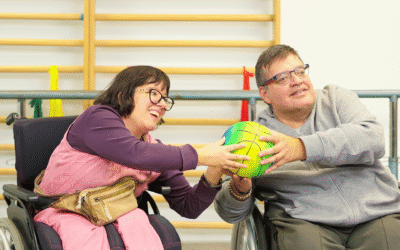
Get active and keep moving.Look after your body.Tips to help keep your mind active.And find help when you need it.Active and keep movingLook after your bodyKeep your mind activeHelp to get healthier and feel better with free tips, tools and support.Sports to tryTake a...

Learning, education and employment
Stay at school or move to a college?Need help with money?Get help into employment and training?Make the right decision for you.Learning and education optionsAvailable grants and fundingHelp into employment and trainingThere are a number of learning options when you...

Staying healthy
Keeping healthy is one of the best ways of dealing with difficulties in life. It is important to develop a healthy mind and a healthy body.Staying healthy is an important part of growing up. And it can affect you physically and emotionally. When your body changes...

School changes
School is a big part of life, so it’s important to feel happy there. If you’re scared or anxious about moving from one school year to another, there are things you can do to make it better. These will also help if you have to change your school.You might be...

I feel different
Your sexuality and gender identity are part of who you are. However you’re feeling, there is support available.Lots of things make up your gender: Your body, for example you might have male or female sex organs. Your gender identity, how you feel about your gender....
Not feeling good?
Many people struggle with their self-esteem, feeling down and overwhelmed. But there is help available.Feelings can be hard to make sense of. You might not even know why you feel a certain way. We all have lots of feelings and emotions when we experience different...

Coping in lessons
Studying and school lessons are all part of going to school. However, they can be worrying and stressful sometimes, but talking about it helps.There’s a lot to understand at school and college. It’s normal to feel confused sometimes, it’s part of learning. Not...
Supporting you at school
School can be difficult. Our advice will give you ideas to help you cope with those difficulty times.It takes up five days a week and there are all the pressures of schoolwork, homework, making friends and taking exams. It can seem scary. But we all have bad days...

Early years specialist services and support
There is a range of specialist support available for early years settings if a child has SEND.Every early years setting has a named area Senco who can be contacted for advice, with permission from the child’s parents. If it is felt necessary to make a referral to this...

Early years graduated approach
In Bromley, we want every child and young person to thrive in their education, whatever their needs. That’s why settings follow something called the Graduated Approach, a step-by-step way of making sure children with emerging needs as well as special educational needs...
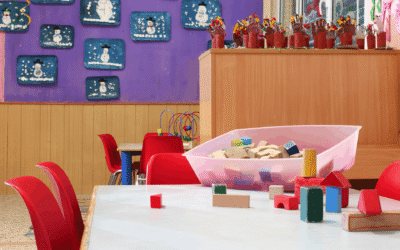
Early years setting responsibilities
All early years providers – such as nurseries, pre-schools and childminders – are required to have arrangements in place to support children who have SEN or disabilities and to promote equality of opportunity for children in their care.These requirements are set out...

Young adults (16 and over)
You can talk to us about support at school or college– and any extra help you need with your learningWe are impartial which means we can meet you in private and won’t take sides – no one will be told about the things we talk about unless you give us permission or if...

School aged (5 to 16)
Support at schoolSchool can be difficult. Our advice will give you ideas to help you cope with those difficulty times.Coping in lessonsLessons are all part of going to school. However, they can be worrying and stressful sometimes.School changesEveryone feels scared or...

Early years (birth to 5)
It is important to note that a delay in learning and development in the early years does not always necessarily mean that your child has special educational needs (SEN) or a disability. We are all unique.Your first observations of your child are key. Children who have...

Bromley Information, Advice and Support Service (IASS)
Bromley Information, Advice and Support Service (IASS) provides free, impartial and confidential information, advice and support about special educational needs and disabilities (SEND) for children and young people up to age 25, and their parents and carers, in the London Borough of Bromley.